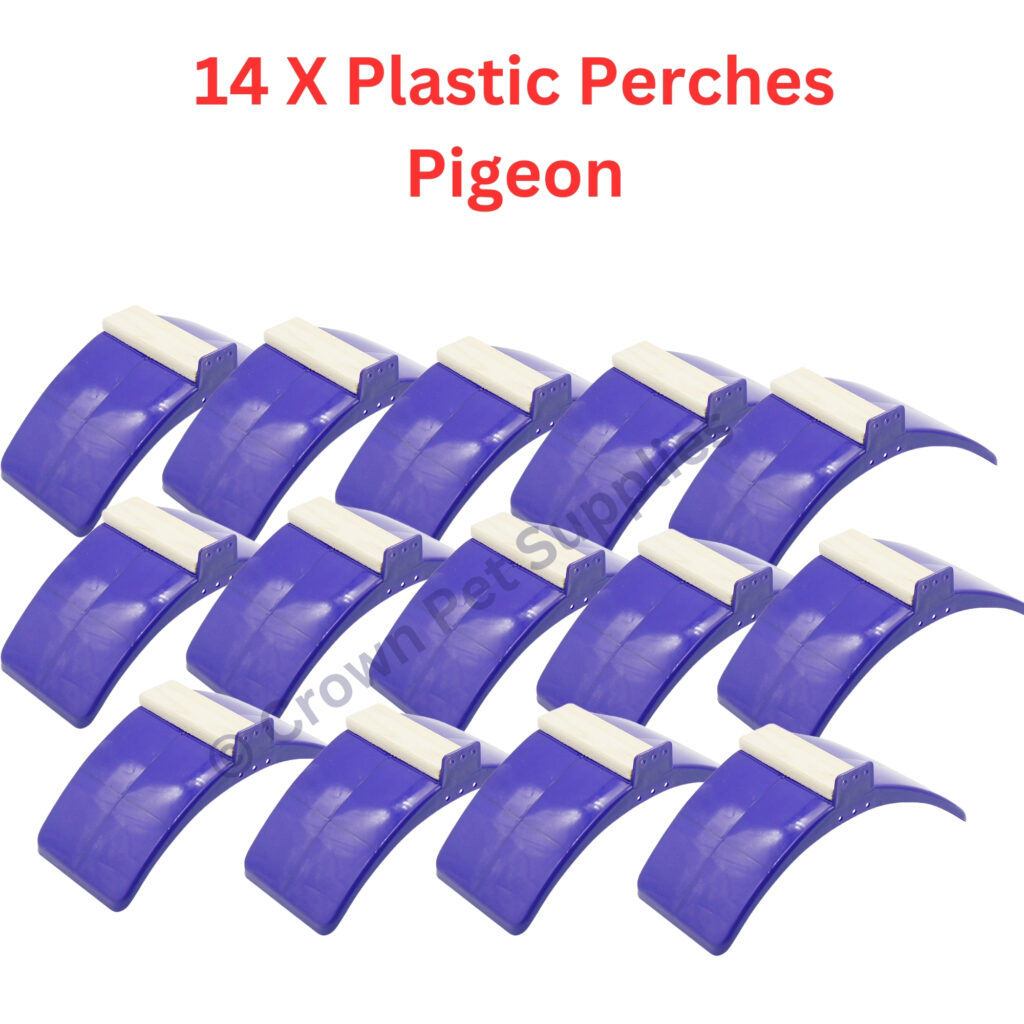

Birds need more than food and water to stay healthy and active. One of the most important accessories in any bird cage is a good perch because birds spend most of their time standing, climbing, resting, and playing on it. The right Perches help birds maintain healthy feet, improve balance, exercise their leg muscles, and stay mentally active throughout the day. Poor-quality perches can lead to foot pain, pressure sores, boredom, and reduced movement, especially for birds that remain inside cages for long periods. Choosing safe and comfortable perches creates a more natural environment and supports long-term bird health. Bird owners looking for reliable pet care products can explore Crown Pet Supplies for bird health items, cage accessories, feed, and other pet care essentials.
Why Bird Perches Matter
Perches are essential because they directly affect a bird’s comfort and physical health. In the wild, birds naturally move between branches of different shapes and sizes, which keeps their feet active and strong. Cage birds also need variety to avoid pressure on the same foot areas every day. Many bird owners make the mistake of using only smooth plastic perches, but these often fail to provide proper grip and support. Natural wooden perches are usually the best option because they mimic the uneven surfaces birds experience outdoors. Good perches also help trim nails naturally, improve posture, encourage movement, and reduce stress caused by inactivity. A comfortable perch setup allows birds to feel safer and more relaxed inside their cage environment.
Different Types of Bird Perches
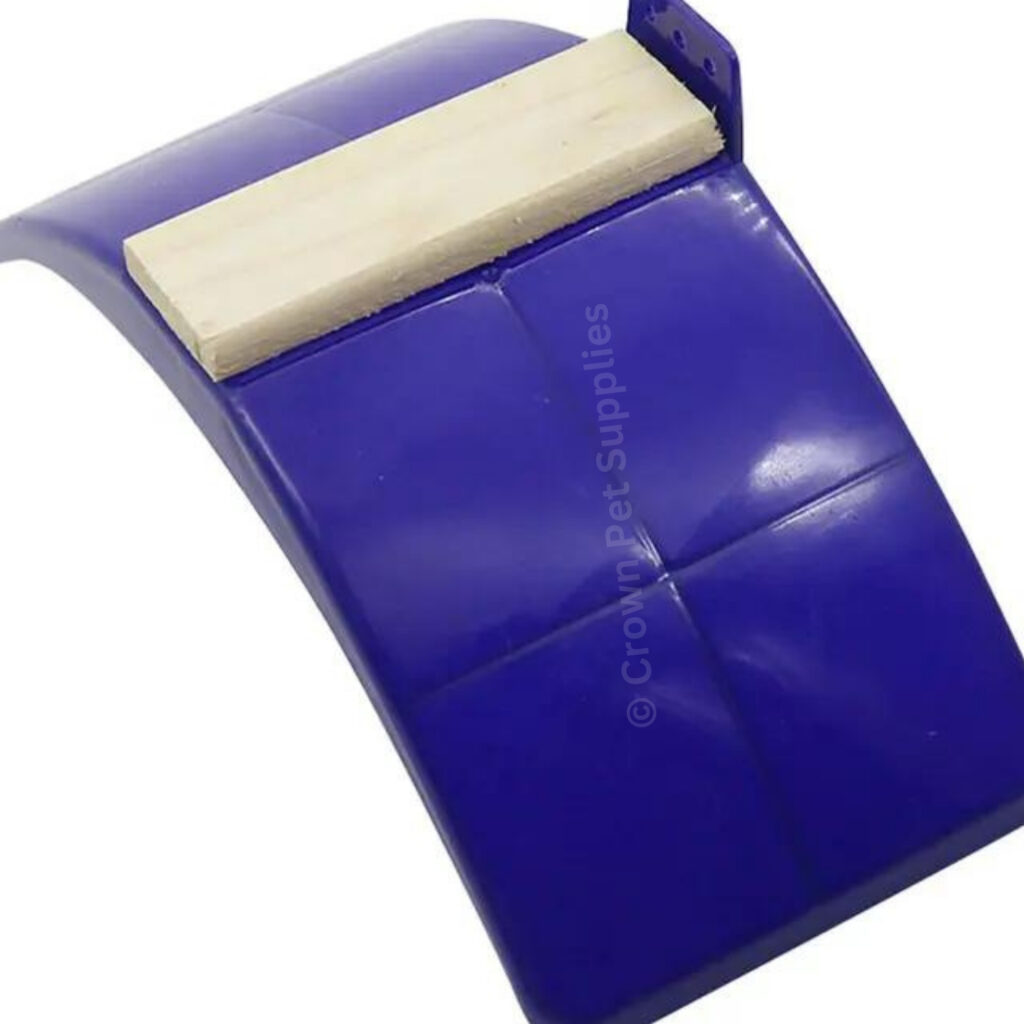
There are several types of bird perches available, and each one offers different benefits depending on the bird species and cage setup. Wooden perches remain one of the most popular choices because they are durable, comfortable, and natural for birds to grip. Rope perches are soft and flexible, making them suitable for birds that enjoy climbing and moving around frequently, although owners should inspect them regularly for loose fibers. Sanded perches are often used to help manage nail growth, but they should not be the only perch in a cage because rough surfaces may irritate bird feet if overused. Cement and mineral perches are also helpful for nail maintenance and are usually placed near feeding areas where birds stand often. Platform perches provide flat resting spaces and can be especially useful for older birds or birds with foot problems that need extra support.
Choosing the Right Perch Size
Selecting the correct perch size is extremely important because birds need to grip comfortably without placing too much pressure on their feet. A perch that is too thin can strain the feet, while one that is too thick may make balancing difficult. Smaller birds such as finches, canaries, and budgies require thinner perches, while larger parrots and pigeons need wider surfaces for proper support. Experts often recommend placing multiple perch sizes inside the same cage because this helps exercise different foot muscles and improves overall comfort. Bird owners should also pay attention to perch material, texture, cage space, and ease of cleaning before making a purchase. Natural branch-style perches are highly recommended because their uneven surfaces provide better foot exercise compared to perfectly smooth designs.
Proper Placement of Bird Perches
Perch placement plays a major role in keeping birds comfortable and maintaining cage hygiene. Birds should have enough space to move freely without constantly hitting toys, food bowls, or cage walls. Sleeping perches are usually best placed higher in the cage because birds naturally prefer elevated resting areas where they feel safe. Food and water bowls should not sit directly under perches to prevent contamination from droppings. Cage owners should also avoid overcrowding the cage with too many accessories because birds need open space for stretching and movement. Rearranging perch positions occasionally can also provide mental stimulation and prevent boredom, especially for active bird species.
Common Perch Mistakes Bird Owners Make
Many bird owners unknowingly choose unsuitable perches that may negatively affect bird health over time. One common mistake is using only one perch type throughout the cage, which places repeated pressure on the same parts of the bird’s feet every day. Another issue is selecting unsafe materials such as chemically treated wood or rough plastic surfaces that may cause irritation or injury. Some owners also neglect regular cleaning, allowing droppings and bacteria to build up on the perch surface. Incorrect perch diameter is another major problem because poorly sized perches can affect posture, balance, and foot comfort. Along with maintaining proper cage accessories, bird owners should also focus on overall bird care with quality feed, supplements, and products like Hen Wormer to support healthy growth and disease prevention.
Signs Your Bird Needs Better Perches
Birds often show clear signs when they are uncomfortable with their current perch setup. Owners may notice birds constantly shifting between feet, sitting more often on the cage floor, or showing reduced activity levels. Swollen or red foot pads are also warning signs that the perch surface may be unsuitable. Some birds may even struggle to balance properly or avoid certain areas of the cage altogether. Paying attention to these behaviors can help owners identify problems early and improve cage comfort before serious health issues develop. Replacing poor-quality perches with safer and more natural options can make a significant difference in a bird’s daily comfort and activity levels.
Benefits of Natural Bird Perches
Natural branch perches are widely considered one of the best choices for cage birds because they closely resemble outdoor environments. Their uneven texture naturally exercises bird feet, improves grip strength, and prevents constant pressure on the same foot areas. Birds also enjoy chewing natural wood, which supports healthy beak maintenance and reduces boredom. Natural perches create a more enriching and realistic habitat that encourages climbing, movement, and exploration. Many bird owners notice that their pets appear more active, comfortable, and relaxed after switching to natural branch-style perches.
How to Maintain Bird Perches
Regular cleaning and maintenance are essential for keeping bird perches safe and hygienic. Wooden perches should be cleaned with warm water and dried completely before being placed back inside the cage. Owners should regularly inspect perches for cracks, mold, sharp edges, or loose attachments that could injure birds. Worn-out perches should be replaced immediately to maintain safety and comfort. Keeping cage accessories clean reduces bacteria buildup and helps protect birds from infections and other health problems.
Conclusion
Choosing the right perch is one of the simplest but most important parts of proper bird care. Safe, comfortable, and properly sized perches help birds maintain healthy feet, stay active, and enjoy a more natural cage environment. Offering a variety of perch styles and sizes encourages movement, reduces boredom, and supports better physical health over time. Bird owners should focus on high-quality cage accessories, regular cleaning, and complete health care to ensure their birds remain happy and comfortable. Trusted stores like Crown Pet Supplies provide bird owners with reliable products for bird health, cage maintenance, and daily pet care needs.
FAQ
What is the best material for bird perches?
Natural wood is considered one of the best perch materials because it provides better grip, comfort, and natural foot exercise for birds.
How many perches should be inside a bird cage?
Most bird cages should contain at least two to four perches of different sizes and materials to encourage healthy movement and reduce foot strain.
How often should bird perches be replaced?
Bird perches should be replaced whenever they become damaged, cracked, moldy, or excessively worn to maintain bird safety and hygiene.